
React Native Development
Shared-codebase mobile apps that leverage your team's existing React and JavaScript expertise.

Ship to iOS and Android From Code Your Web Team Already Knows
React Native shares its component model with React, so teams already building for the web ramp up on mobile in days, not months. We share business logic across platforms and drop into native Swift or Kotlin exactly where the app genuinely needs it.
Talk through your appSee our workBuilt on What Your Team Already Knows
Familiar Component Model
The same mental model as React on the web — components, hooks, and props.
Shared Business Logic
API clients, validation, and state logic reused between web and mobile.
New Architecture (Fabric)
Faster, more predictable native bridging than the older bridge-based runtime.
Huge npm Ecosystem
A vast library ecosystem shared with the wider JavaScript community.
Native Module Access
Drop into native Swift or Kotlin code whenever a feature genuinely needs it.
Fast Refresh
Changes appear almost instantly during development, keeping iteration fast.
Predictable State
Redux, Zustand, or Context patterns matched to the app's actual complexity.
Single Release Pipeline
One CI pipeline builds and ships both store submissions together.
How We Ship a React Native App
Discovery
UI/UX Design
Development
Testing
Store Launch
Maintenance

FinTech
Banking and payments apps that share validation and API logic with an existing React web app.
Healthcare
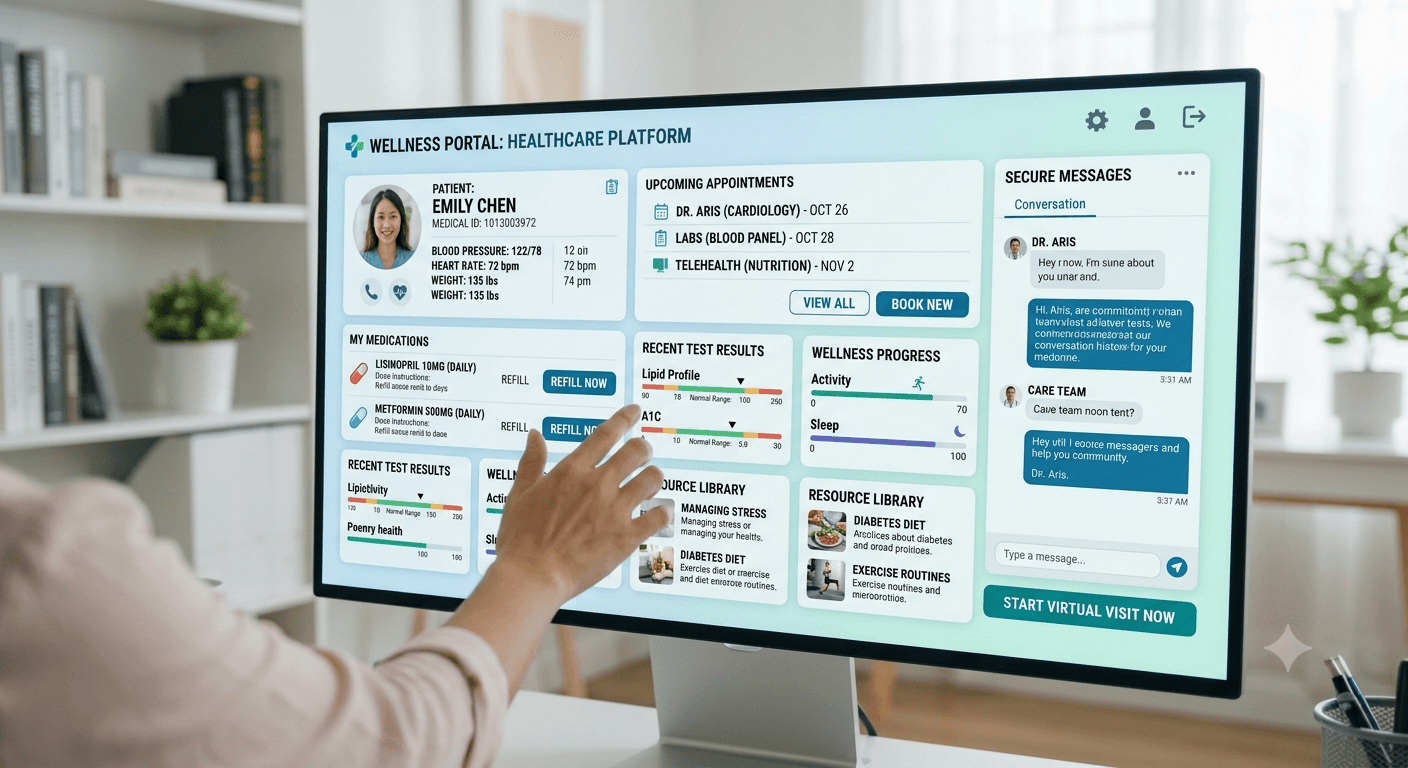
Patient-facing apps that need identical behavior across platforms for regulatory consistency.

E-commerce
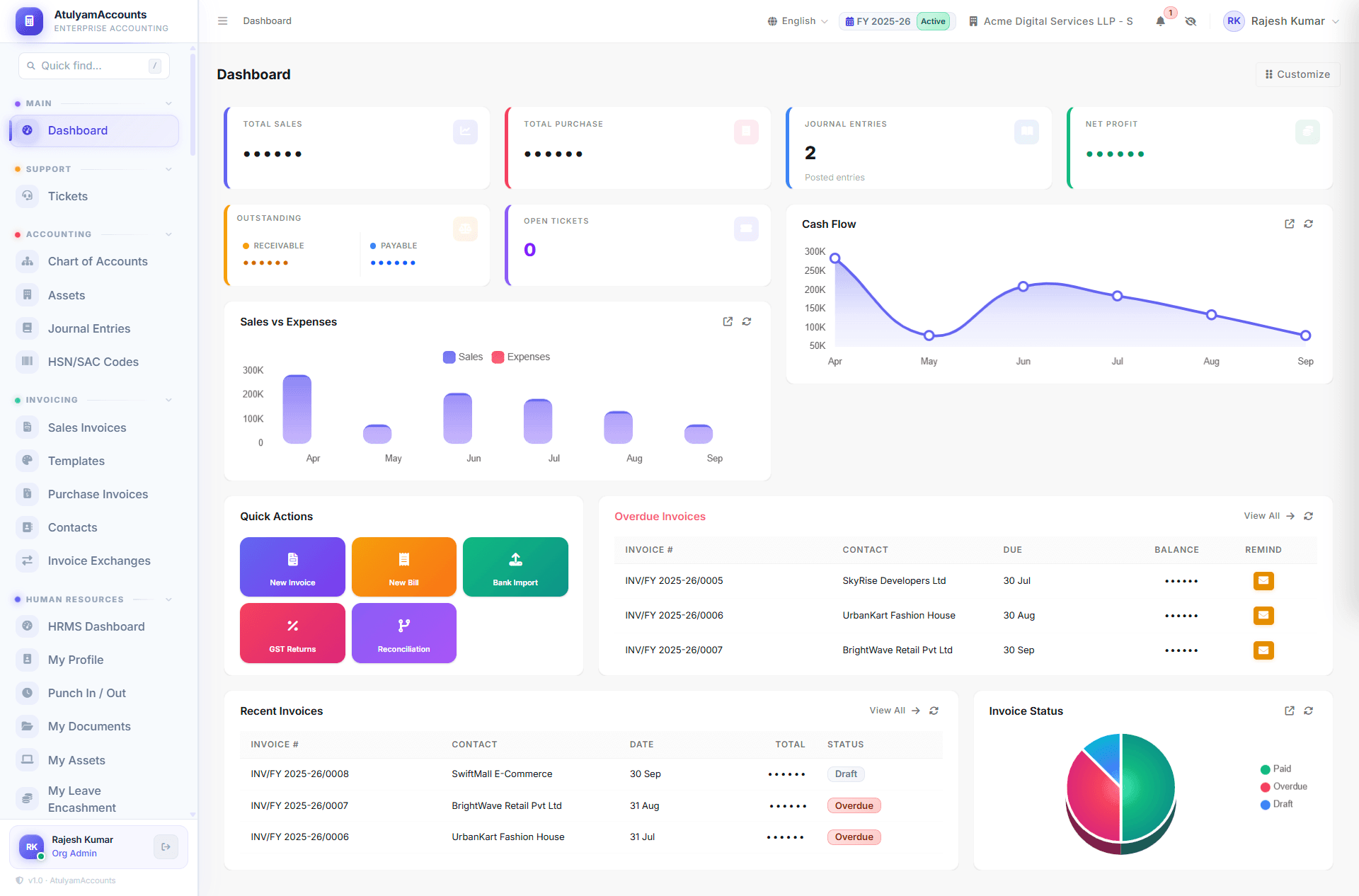
Storefront apps that reuse cart, checkout, and product logic from your web platform.
Education
Learning apps reaching students across whichever device they already own.

Travel
Booking and itinerary apps sharing search and pricing logic with a web counterpart.

Logistics
Field and delivery apps that need one reliable build across a mixed device fleet.
FinTech
Banking and payments apps that share validation and API logic with an existing React web app.
Healthcare
Patient-facing apps that need identical behavior across platforms for regulatory consistency.
E-commerce
Storefront apps that reuse cart, checkout, and product logic from your web platform.
Education
Learning apps reaching students across whichever device they already own.
Travel
Booking and itinerary apps sharing search and pricing logic with a web counterpart.
Logistics
Field and delivery apps that need one reliable build across a mixed device fleet.
FinTech
Banking and payments apps that share validation and API logic with an existing React web app.
Healthcare
Patient-facing apps that need identical behavior across platforms for regulatory consistency.
E-commerce
Storefront apps that reuse cart, checkout, and product logic from your web platform.
Education
Learning apps reaching students across whichever device they already own.
Travel
Booking and itinerary apps sharing search and pricing logic with a web counterpart.
Logistics
Field and delivery apps that need one reliable build across a mixed device fleet.
One Team, Shared Logic, Two App Stores
When your web team already knows React, React Native turns mobile into an extension of the same codebase and the same skill set — not a second team learning a second stack from scratch.
1
Component model shared with your existing React app
40%+
Typical logic reuse between web and mobile codebases
2
App stores shipped from a single release pipeline
99.9%
Crash-free session rate we build and monitor toward
Frequently Asked Questions
Straight answers about how we build, launch, and support React Native apps.
When most of the app is standard UI, forms, and API-driven screens, React Native's shared codebase is usually the faster path to both stores. If the app leans heavily on deep platform-specific features, we'll say so honestly rather than force-fitting it.
Yes — business logic, API clients, and validation typically transfer directly, though UI components need platform-specific implementations since the rendering layer differs.
It's React Native's modern rendering and native-bridging system (Fabric and TurboModules) — faster and more predictable than the older bridge. We build new apps on it by default.
Yes, through native modules — we bridge into native Swift or Kotlin code for anything the JavaScript layer doesn't already cover.
With Redux, Zustand, or Context, chosen based on the app's actual complexity — we avoid over-engineering state management for apps that don't need it.
Regularly. We start with a dependency and architecture audit, then stabilize and modernize the app without disrupting what's already working.
Yes — dependency and New Architecture upgrades, plus incremental feature work under a maintenance agreement, so the app keeps pace with both platforms.
Got an Idea? Get a FREE React Native Consultation
What's Next?
Share your requirement
Tell us about the app you're building and our React Native engineers will review the fit.
Get a build outline
We map out the module architecture and native integrations, flag risks early, and connect with you to walk through it.
Start building
Once the scope is locked in, we finalize the plan and begin implementation.
Your Tech-Powered Success Is on Us